Published by Advanced Arborist
Serving Tampa, Brandon, Valrico, Riverview, Plant City, Lithia, Seffner, Apollo Beach, Wesley Chapel, and the Greater Tampa Bay Area.
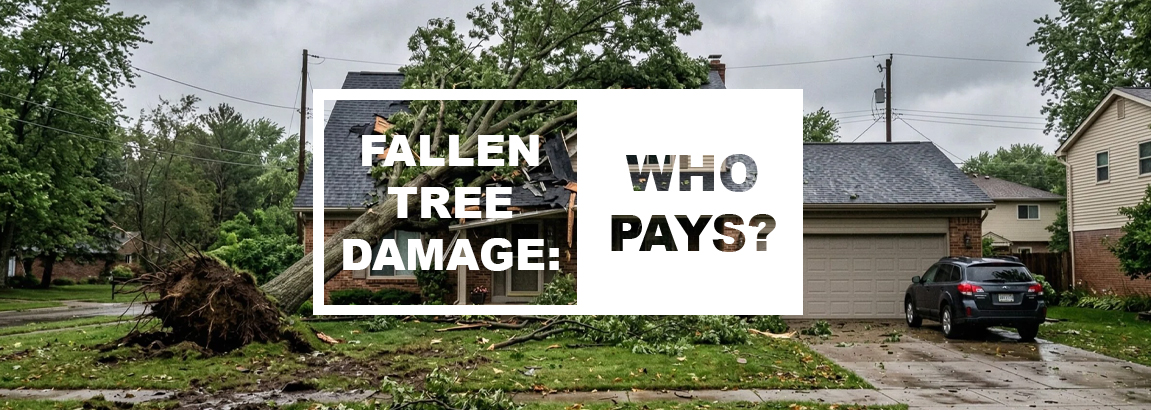
Florida homeowners know that hurricane season and severe thunderstorms can arrive with little warning. High winds, lightning, and saturated soil can quickly turn healthy-looking trees into serious hazards. When a tree damages your home, fence, vehicle, or another structure, one of the first questions homeowners ask is:
“Will my homeowner’s insurance cover the damage?”
The answer depends on several factors, including the cause of the damage, the condition of the tree before it fell, and your insurance policy. Understanding how insurance typically handles tree-related claims can help you make informed decisions before and after a storm.
Does Homeowners Insurance Cover Tree Damage?
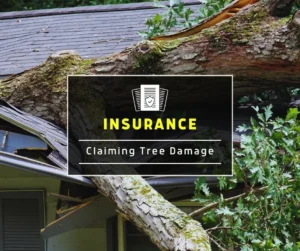 In many cases, yes. Homeowners insurance often covers damage caused when a tree falls due to a covered event such as:
- Hurricanes
- Tropical storms
- Strong windstorms
- Lightning strikes
- Hail
- Heavy ice (rare in Florida)
- Other sudden weather-related events
If a tree falls and damages your home, garage, or other insured structure, your policy may help cover repair costs, subject to your deductible and policy limits.
However, coverage can vary by insurer and policy, so it’s important to review your specific homeowner’s insurance policy or speak with your insurance provider.
When Insurance May Not Cover Tree Removal
Not every fallen tree is covered by insurance.
You may be responsible for removal costs if:
- The tree falls without damaging an insured structure.
- The tree dies due to neglect or disease.
- The tree was obviously hazardous and not properly maintained.
- The damage resulted from preventable issues rather than a covered weather event.
This is one of the reasons routine tree inspections are so valuable. Identifying hazardous trees before they fail can help protect your property and potentially reduce costly repairs.
What If My Neighbor’s Tree Falls on My Property?
This is one of the most common questions Florida homeowners ask.
Generally, if your neighbor’s tree falls onto your property because of a storm or another natural event, your homeowner’s insurance typically handles the damage to your property.
However, if the tree was known to be dead, diseased, or structurally unsafe and the neighbor ignored the issue after being notified, liability could become more complicated.
Every situation is unique, so it’s best to consult your insurance company for guidance.
Does Insurance Cover Tree Removal?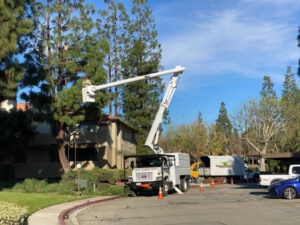
Many homeowner policies provide limited coverage for tree removal when:
- The tree blocks your driveway.
- The tree prevents access to your home.
- The tree damages an insured structure.
- The tree creates an immediate safety hazard after a covered event.
Coverage limits vary, and some policies place caps on tree removal reimbursement.
What to Do Immediately After Storm Damage
If a tree falls during a storm, taking the right steps can help protect your family and support any insurance claim.
1. Stay Safe
Never approach:
- Downed power lines
- Hanging limbs
- Split trunks
- Leaning trees
- Trees touching electrical equipment
These situations require professional assessment.
2. Document Everything
Take clear photos and videos of:
- The fallen tree
- Property damage
- Roof damage
- Fence damage
- Vehicles
- The surrounding area
The more documentation you have, the smoother your insurance claim may be.
3. Contact Your Insurance Company
Notify your insurance carrier as soon as possible and ask about:
- Claim procedures
- Emergency mitigation
- Temporary repairs
- Tree removal requirements
- Preferred contractors
4. Call a Certified Arborist
A professional arborist can:
- Safely remove damaged trees
- Evaluate nearby trees for hidden damage
- Determine whether a tree can be saved
- Help reduce future storm risks
Why Preventative Tree Care Matters
The best insurance claim is the one you never have to file.
Routine tree maintenance helps reduce the risk of storm damage by identifying problems before they become emergencies.
Preventative services include:
- Structural pruning
- Deadwood removal
- Crown thinning (when appropriate)
- Cabling and bracing for select trees
- Tree health evaluations
- Root inspections
- Hazard tree assessments
Healthy, properly maintained trees are generally better equipped to withstand Florida’s high winds and severe weather.
Warning Signs a Tree May Be Unsafe
Many hazardous trees show warning signs before they fail.
Watch for:
- Large dead limbs
- Cracks in the trunk
- Leaning trees
- Mushrooms growing near the base
- Hollow or decaying trunks
- Exposed or damaged roots
- Trees that suddenly begin leaning after heavy rain
- Branches hanging over your roof
If you notice any of these issues, schedule an inspection with a certified arborist.
Why Choose Advanced Arborist?
At Advanced Arborist, we help homeowners throughout the Tampa Bay area protect their properties before and after severe weather.
Our experienced team provides:
- ISA Certified Arborist evaluations
- Hazard tree assessments
- Professional tree trimming
- Tree removal
- Storm preparation pruning
- Emergency storm response
- Palm tree maintenance
- Stump grinding
Our goal is to help you keep your property safe while preserving healthy trees whenever possible.
Schedule Your Tree Inspection Before the Next Storm
Hurricane season can bring unpredictable weather, but proactive tree care can reduce the risk of costly damage.
Whether you’re concerned about a leaning oak, overgrown limbs above your roof, or trees weakened by previous storms, the experts at Advanced Arborist are here to help.
Contact Advanced Arborist LLC today for a free evaluation of your tree care needs and let our certified professionals help protect your property.

 Call (813) 406-5413 today for a free tree health evaluation and storm-prep consultation.
 Visit AdvancedArboristLLC.com to schedule your service online.
Frequently Asked Questions
Does homeowners insurance pay for tree removal in Florida?
Insurance may cover tree removal if the tree falls because of a covered event and damages an insured structure or blocks access to your home. Coverage varies by policy.
Will insurance cover a tree that falls in my yard but doesn’t hit anything?
In many cases, no. If the tree doesn’t damage an insured structure or create a covered hazard, removal costs are often the homeowner’s responsibility.
Can a healthy tree still fall during a hurricane?
Yes. Even healthy trees can fail during extreme winds, lightning strikes, or when saturated soil weakens root systems.
Should I have my trees inspected before hurricane season?
Absolutely. Annual inspections by an ISA Certified Arborist can identify potential hazards, improve tree health, and help reduce the risk of storm-related damage.